A Deep Dive into Swiss Machining Geometries and Their Benefits
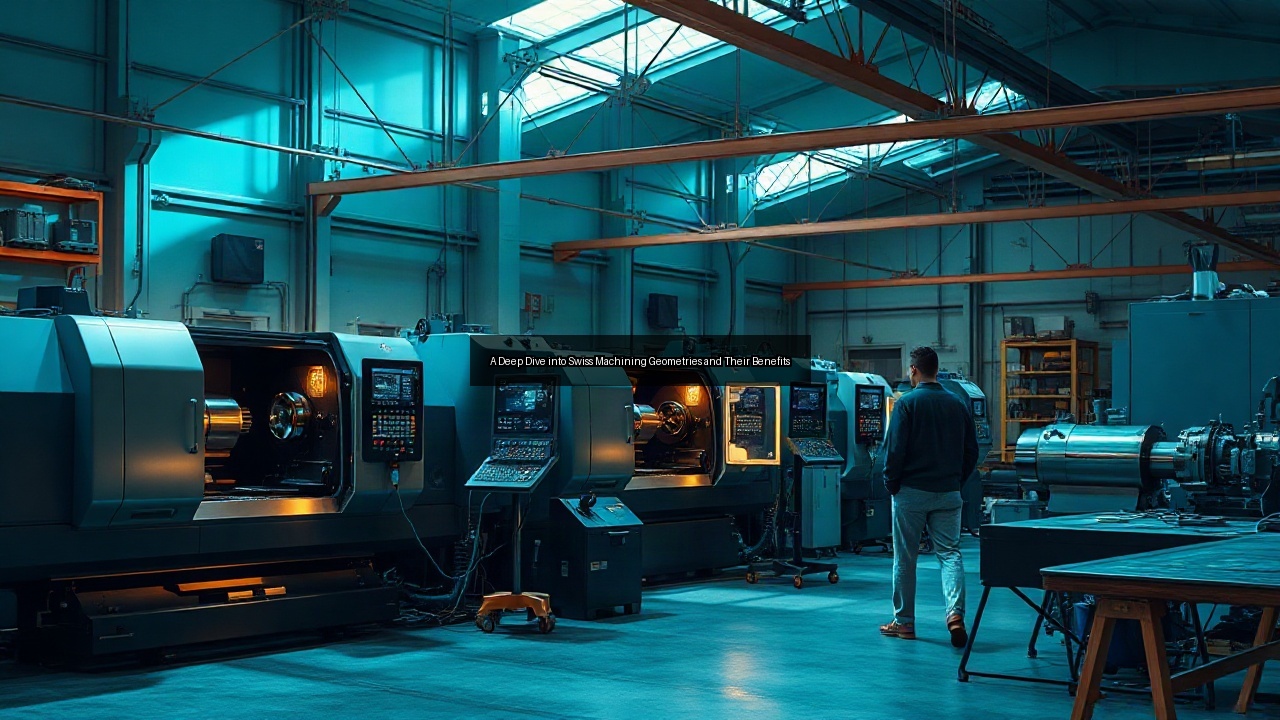
Understanding Swiss Machining Geometries
The Fundamentals of Swiss Geometries
Swiss machining offers a unique approach to manufacturing precision parts, characterized by specific geometries that optimize efficiency and accuracy. The essence of Swiss machining lies in its ability to produce small, intricate components through a sliding headstock mechanism. This design allows the workpiece to move while the tool remains stationary, enabling manufacturers to achieve higher precision. Swiss geometries emphasize the importance of alignment and minimal tool wear, resulting in more consistent finished products. Understanding these fundamentals is crucial for any professional looking to leverage the advantages of Swiss machining in their operations.
Types of Geometries in Swiss Machining
Swiss machining encompasses various geometries tailored to different machining needs. Common types include cylindrical, hexagonal, and complex contour shapes. Each geometry serves specific purposes, from creating straightforward cylindrical parts to intricate designs like helical grooves or multi-faceted profiles. The ability to easily switch between these geometries on a Swiss lathe enhances flexibility and adaptability in production environments. Additionally, these geometries allow for efficient use of tooling by maximizing contact with the workpiece. Such versatility makes Swiss machining an ideal choice for industries that require precision machining of small parts, such as aerospace and medical device manufacturing.
Comparison with Traditional Machining Geometries
When comparing Swiss machining to traditional machining geometries, several distinct differences emerge. Traditional machining often relies on fixed tooling and a more rigid setup, which can limit the complexity of parts created. In contrast, Swiss machining's sliding headstock and dynamic tooling position enable the production of more complex shapes with better precision. Furthermore, Swiss machines can operate at higher speeds and lower cycle times, enhancing overall productivity. The adaptability of Swiss geometries means that machine shops can handle larger volumes of intricate parts without sacrificing quality, making Swiss machining a preferred method in high-demand manufacturing sectors.
Advantages of Swiss Machining in Various Industries
Precision and Accuracy in Aerospace Applications
Aerospace applications demand the highest levels of precision and accuracy, making Swiss machining an invaluable asset. Components such as fuel injectors, turbine blades, and other vital parts require exact specifications to ensure safety and performance. Swiss machining excels in delivering tight tolerances and intricate designs necessary for these applications. The ability to work with various materials, including nickel-based alloys, further enhances its appeal in the aerospace industry. Manufacturers benefit from consistent quality and reduced waste, which translates into significant cost savings and improved reliability for aerospace components.
Enhancing Productivity in Machine Shops
Machine shops experience a boost in productivity through the integration of Swiss machining techniques. The design of Swiss style lathes allows for continuous production without the need for frequent tool changes. This efficiency means that machinists can produce a higher volume of parts in less time. Additionally, the automation capabilities of modern Swiss machines streamline workflows and reduce manual intervention. Programmable CNC machines further enhance productivity, allowing for quick adjustments and the ability to switch between different machining processes seamlessly. The result is a significant increase in overall output, enabling machine shops to meet the demands of their clients more effectively.
Cost-Effectiveness through Automation and Software Solutions
Cost-effectiveness emerges as a crucial advantage of Swiss machining, largely attributed to advances in automation and sophisticated software solutions. Automated Swiss machining equipment minimizes labor costs while maximizing efficiency. The integration of software solutions allows for precise programming and optimization of machining parameters, leading to reduced cycle times and lower material waste. This combination of automation and software creates a streamlined process that enhances profitability for machine shops. Companies can invest in high-quality Swiss machining equipment knowing that the return on investment will be substantial due to the reduced operational costs and increased output.
Technological Advances in Swiss Machining
The Role of CNC Machines in Swiss Machining
CNC machines have revolutionized Swiss machining, introducing a level of precision and control previously unattainable. These machines allow operators to input complex designs that the machine can execute with high accuracy. CNC Swiss machining combines the traditional advantages of Swiss turning with computer control, enabling seamless transitions between various machining tasks. The use of CNC technology not only enhances precision but also increases productivity by allowing for unattended operation. This capability is especially beneficial in high-volume production runs where consistency and repeatability are paramount. As a result, industries ranging from automotive to electronics benefit from the precision of CNC Swiss machining.
Integration of Automation in Swiss Style Lathes
Automation continues to shape the future of Swiss machining, particularly with the integration of automated features into Swiss style lathes. These machines can now incorporate robotic loading and unloading systems, further reducing cycle times and enhancing efficiency. By automating repetitive tasks, manufacturers can allocate human resources to more complex problem-solving activities. Automation technology not only improves productivity but also minimizes the risk of errors associated with manual handling. This shift toward automation in Swiss machining aligns with the industry's need for faster turnaround times and higher-quality outputs, setting a new standard for efficiency in machine shops.
Innovations in Tooling for Swiss Machining
Innovations in tooling play a significant role in enhancing Swiss machining capabilities. Advanced cutting tools and materials, such as carbide and ceramic, allow for improved durability and performance when machining hard materials like nickel. Furthermore, specialized tooling designed for specific geometries enhances the precision and efficiency of the machining process. Tooling innovations also include modular systems that allow for quick changes and adjustments, reducing downtime and optimizing production flows. With these advancements, Swiss machining continues to evolve, meeting the ever-increasing demands of modern manufacturing.
Applications of Swiss Machining in Modern Manufacturing
Machining Nickel and Other Exotic Materials
Swiss machining excels at working with challenging materials, including nickel and other exotic alloys. These materials often require specialized machining techniques to achieve the desired properties without compromising structural integrity. The precision and control offered by Swiss lathes make them ideal for machining such materials, ensuring that the final products meet stringent aerospace or medical standards. Manufacturers can confidently produce components that withstand extreme conditions while maintaining high performance. The capability to machine these materials positions Swiss machining as a vital process in industries that demand resilience and reliability in their components.
Screw Machining: A Key Process in Swiss Machining
Screw machining serves as a foundational process within Swiss machining, allowing for the efficient production of screw parts and similar components. This process involves creating threaded features and complex geometries that traditional machining methods struggle to replicate. The precision of Swiss lathes enables manufacturers to create screws with exact specifications, ensuring compatibility and performance in various applications. As industries increasingly demand customized fasteners and screws, the role of Swiss machining in fulfilling these requirements becomes more critical. This capability not only enhances production efficiency but also broadens the scope of applications for Swiss machining technology.
Exploring Swiss Machining Solutions for Complex Parts
Swiss machining solutions are particularly valuable for producing complex parts that require intricate designs and tight tolerances. Industries such as medical device manufacturing, automotive, and aerospace often necessitate components that adhere to strict specifications. The ability to create detailed geometries and features makes Swiss machining an essential tool in these sectors. By leveraging Swiss machining technology, manufacturers can produce components that are lightweight yet strong, meeting the demands of modern applications. The versatility of Swiss machining solutions enables companies to address diverse challenges, further solidifying its position as a preferred machining method in today's manufacturing landscape.