The Importance of Hub Flanges in High-Performance Cycling
Understanding Hub Flanges in Cycling
What Are Hub Flanges?
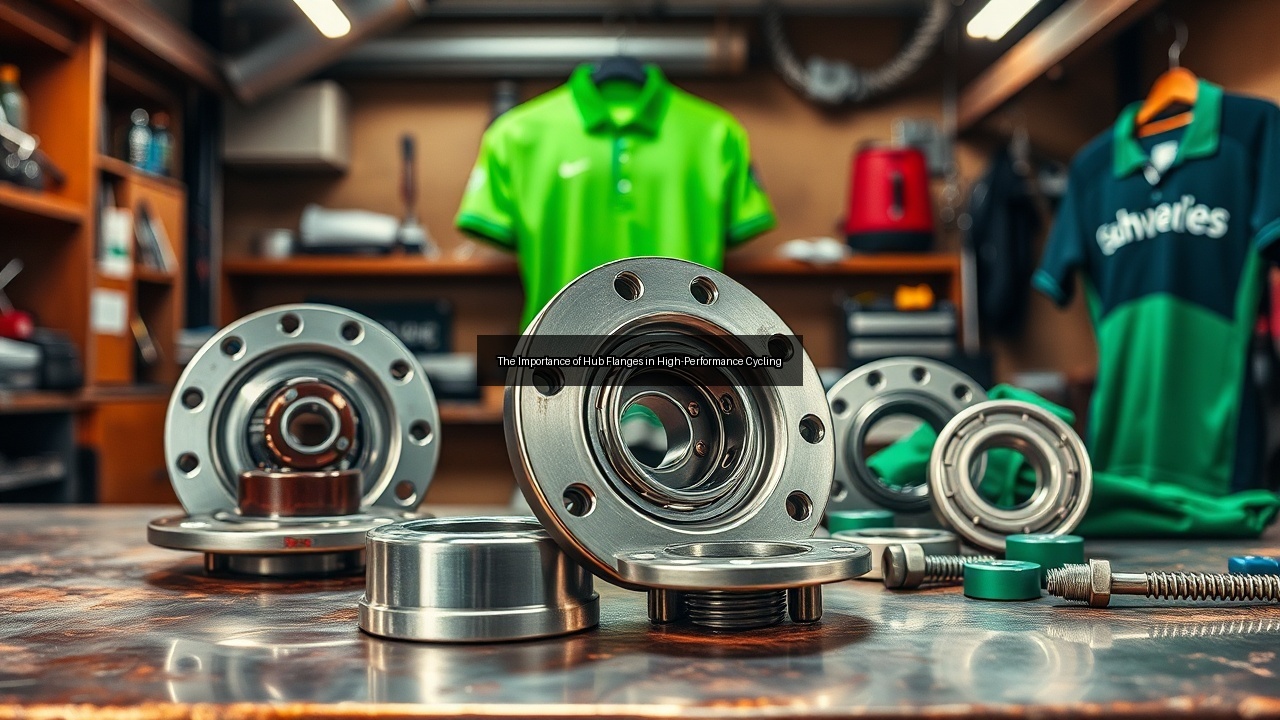
Hub flanges are the protruding edges on a bicycle wheel hub where spokes attach. These flanges play a critical role in the overall structure and function of a wheel. They help distribute the load from the spokes evenly, ensuring that the wheel maintains its shape and integrity under various conditions. The design and material of the hub flanges directly influence the performance and durability of the wheel. High-performance cycling demands precision, and the hub flange is a crucial component that contributes to the stability and responsiveness of the bike, making it essential for competitive riders.
The Role of Flange Ball Bearings
Flange ball bearings are integral to the functionality of bicycle hubs. These precision-engineered components reduce friction between the rotating wheel and the hub, allowing for smoother operation. When the wheel spins, the bearings enable it to turn effortlessly, enhancing speed and efficiency. The quality of the flange ball bearings can significantly impact the overall riding experience. High-quality bearings minimize energy loss, allowing cyclists to maintain higher speeds with less effort. Choosing the right bearings, whether they are sealed or open, can also affect maintenance and longevity. Properly maintained bearings ensure that cyclists can enjoy a reliable and efficient ride over long distances.
Types of Flanges Used in Cycling
Cyclists encounter different types of flanges, each designed for specific applications and preferences. The most common types include traditional flanged hubs, which feature a symmetrical design that provides excellent stability; and disc brake flanges, designed to accommodate disc brakes while enhancing aerodynamics. Some modern bikes utilize low-flange hubs, which reduce weight but may compromise on strength. Additionally, flanges can be constructed using various materials, such as aluminum or carbon fiber, which further influences their performance characteristics. Understanding the types of flanges available enables cyclists to make informed choices that align with their riding style and performance goals.
The Impact of Hub Flanges on Performance
How Flanges Affect Wheel Stability
The stability of a bicycle wheel hinges on the design and positioning of hub flanges. When properly aligned, flanges keep the spokes in tension, which is vital for maintaining wheel shape during rides. A wider flange spacing can improve lateral stiffness, allowing for better power transfer from the rider to the road. This translates into more responsive handling, particularly during high-speed cornering or aggressive climbing. Conversely, improperly designed flanges can lead to a phenomenon known as "spoke wind-up," where excessive flex causes the spokes to lose tension, negatively affecting stability and control. Therefore, selecting the right hub flange is essential for anyone serious about maximizing their cycling performance.
The Importance of Proper Set Screws
Set screws play a pivotal role in securing the hub flanges and ensuring that they function correctly. These small yet vital components hold the hub in place against the bike frame. Properly tightened set screws prevent unwanted movement or misalignment of the flanges, which can otherwise lead to uneven spoke tension and compromised wheel integrity. For high-performance cyclists, the significance of set screws cannot be overstated. A loose set screw can lead to catastrophic wheel failure, especially during competitive events where every second counts. Regularly checking and adjusting set screws is a simple yet effective way to maintain optimal wheel performance.
Ball Bearings and Their Influence on Speed
Ball bearings significantly influence the speed and efficiency of a bicycle. The relationship between the hub flanges and the bearings determines how freely the wheel spins. High-quality ball bearings reduce friction, allowing for smoother rotations and faster speeds. This efficiency becomes particularly noticeable during long rides or steep climbs when every bit of energy savings counts. In contrast, poorly maintained or low-quality bearings can lead to increased resistance, slowing a cyclist down and making rides less enjoyable. Upgrading to ceramic ball bearings can further enhance speed, offering lower friction and greater durability. Cyclists keen on performance must prioritize the quality of both their hub flanges and bearings to optimize their riding experience.
Choosing the Right Hub Flange for Your Bike
Factors to Consider When Selecting Flanged Hubs
Choosing the right hub flange involves several critical factors. First, consider the type of cycling you plan to do. Road cyclists may prefer lightweight flanges for speed, while mountain bikers might opt for sturdier options to withstand rough terrain. Additionally, evaluate your weight and riding style; heavier riders or those who exert more force on the pedals may need flanges that offer enhanced strength and durability. The intended use of your bike, whether for commuting, touring, or racing, will influence the flange design you should select. Finally, compatibility with your existing components, such as brakes and axles, is essential for ensuring seamless integration and optimal performance.
Comparing Stock vs. Custom Flanges
When selecting hub flanges, cyclists often face the decision between stock and custom options. Stock flanges come pre-installed on many bikes and offer reliable performance for everyday use. They are generally cost-effective and readily available. However, custom flanges allow for personalized specifications, catering to individual preferences and performance needs. Customization might include variations in flange height, material, or even aesthetic design. Cyclists seeking to enhance their performance metrics or tailor their bike's handling characteristics often turn to custom flanges. While they may require a higher initial investment, the long-term benefits can justify the cost for serious riders.
Insights from Professional Cyclists: Tom Pidcock's Preferences
Professional cyclists like Tom Pidcock offer valuable insights into the importance of hub flanges in high-performance cycling. Pidcock, a well-respected figure in the cycling community, emphasizes the need for precision in every component of his bike. He opts for flanges that provide optimal strength-to-weight ratios, enhancing his ability to compete at elite levels. Pidcock’s experience reveals a preference for specific flange designs that align with his racing style, especially during events like the Tour de France Femmes, where performance is paramount. His insights encourage aspiring cyclists to consider their own preferences and riding style when selecting hub flanges, as the right choice can significantly influence overall performance.
Real-World Applications and Performance Insights
Case Study: Flanges in the Tour de France Femmes
The Tour de France Femmes showcases the critical role of hub flanges in high-stakes cycling. Competitive teams invest heavily in technology and design, ensuring their wheels are at the cutting edge of performance. Flanges used in this event must withstand extreme conditions, from steep climbs to high-speed descents. Teams often employ custom flanges engineered for maximum stiffness and minimal weight, enabling their riders to achieve peak performance. The results from the race highlight how small components like flanges can have a monumental impact on the overall outcome, proving that every detail counts in elite cycling.
Local Cycling Events: Bordeaux and Aurillac
Local cycling events, such as those in Bordeaux and Aurillac, further illustrate the importance of hub flanges. Riders participating in these events often test the limits of their equipment. Flanges that provide stability and strength become critical, especially when navigating sharp turns or uneven terrain. Cyclists frequently share their experiences with different flange designs, emphasizing how they impact performance during races. These local events serve as a proving ground for cyclists to experiment with various setups, allowing them to identify what works best for their unique riding styles and preferences.
The Significance of Flanges in Competitive Cycling Jerseys
Finally, the significance of hub flanges extends beyond the bike itself to the overall cycling experience, including competitive cycling jerseys. Jerseys designed for high-performance cycling often feature pockets strategically placed for easy access to tools and equipment, including spare bearings or tools for adjusting flanges. The right gear enhances a cyclist's performance, allowing for quick adjustments during races. Additionally, the choice of jersey material can influence comfort and aerodynamics, making it crucial to consider all aspects of cycling equipment in the pursuit of excellence.