Top 10 Oil Storage Containers for Home and Industrial Use
Understanding Oil Storage Containers
Importance of Proper Oil Storage
Proper oil storage is crucial for both safety and efficiency. Improper storage can lead to leaks, spills, and contamination, posing risks to the environment and public health. When oil leaks from storage tanks, it can seep into the ground, affecting water sources and wildlife. For businesses, poor storage practices can result in costly fines and damage control. Moreover, using the correct oil storage containers extends the life of the oil, maintaining its quality and effectiveness. This practice not only safeguards investments but also ensures compliance with local regulations governing oil and gas storage.
Types of Oil Storage Containers
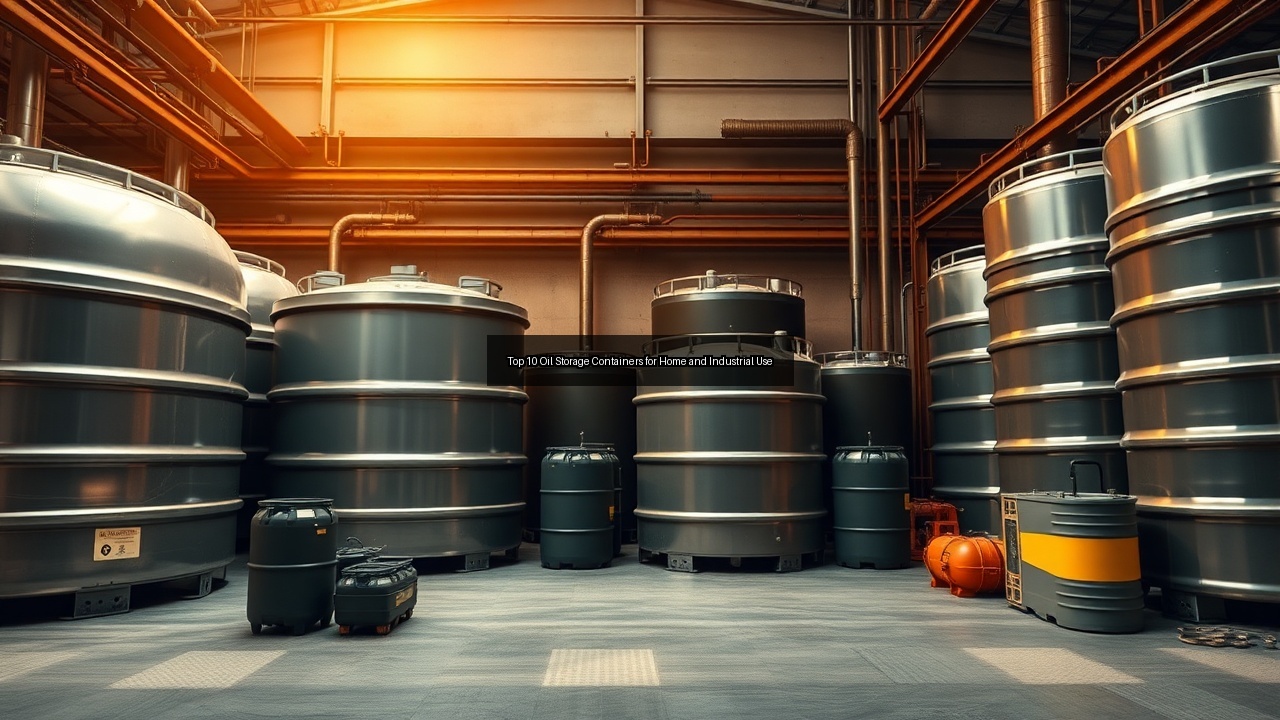
Various types of oil storage containers cater to different needs. For home use, options include plastic containers and smaller drums suited for limited quantities. Industrial settings often require larger solutions like heavy-duty oil storage tanks and bulk oil storage tanks. Each type serves its purpose, from small-scale lubrication tasks to large-scale oil and gas storage. Additionally, gravity feed systems facilitate easy dispensing, while specialized containers ensure compliance with safety standards. Understanding these types aids in selecting the right container for your specific requirements.
Key Features to Look For
When choosing oil storage containers, several key features should be prioritized. Durability is paramount; containers should withstand harsh conditions and resist corrosion. Look for options that offer UV protection, particularly if they will be exposed to sunlight. Secure sealing mechanisms prevent leaks and spills, while easy-access designs simplify dispensing. Furthermore, consider the container's size and shape to ensure it fits your available space. Compliance with safety regulations also plays a vital role, ensuring that storage solutions meet industry standards for oil tanks and containment.
Top 10 Oil Storage Containers for Home Use
1. Plastic Oil Storage Containers
Plastic oil storage containers offer a lightweight, affordable solution for home oil storage. These containers are often made from high-density polyethylene (HDPE), providing excellent resistance to chemicals and UV light. They come in various sizes, making them versatile for different storage needs. Many feature built-in handles for easy transport and spouts for effortless pouring. Additionally, plastic containers often have clear measurement markings, allowing for precise quantity management. When properly maintained, these containers can last for years, making them a smart choice for both lubricants and fuel oil.
2. 55-Gallon Drums for Oil
55-gallon drums serve as an ideal option for homeowners needing significant oil storage capacity. These sturdy metal or plastic drums provide secure containment and can handle various types of oil, from lubricants to fuel. Designed for easy stacking and transportation, they often come with removable lids for straightforward filling and dispensing. Some models include built-in safety features, such as pressure relief valves, to prevent dangerous situations. Their size makes them suitable for long-term storage, while their durability ensures they withstand environmental conditions.
3. Gravity Feed Oil Tanks
Gravity feed oil tanks simplify the dispensing process, making them ideal for home mechanics or DIY enthusiasts. These tanks utilize gravity to distribute oil easily, eliminating the need for pumps. Typically made from sturdy materials, they often come in various sizes to cater to different oil storage needs. Many tanks include built-in filters to prevent contaminants from entering the oil during dispensing. Their design promotes efficiency and reduces waste, ensuring that every drop of oil is utilized. This feature makes gravity feed tanks an excellent choice for those who value convenience and functionality.
4. Quart and Liter Lubrication Containers
Quart and liter lubrication containers provide an efficient way to store smaller quantities of oil for home use. These containers are perfect for individuals who perform regular maintenance on vehicles or machinery. Their compact size allows for easy storage in limited spaces, while their durable construction ensures protection against leaks. Many models feature dispensing spouts or easy-pour designs, making it simple to transfer oil without mess. Available in various materials, including plastic and metal, these containers are versatile and can accommodate different types of lubricants.
Top 10 Oil Storage Containers for Industrial Use
1. Heavy-Duty Oil Storage Tanks
Heavy-duty oil storage tanks are designed for industrial applications requiring significant oil and gas storage capacity. Constructed from robust materials, these tanks withstand harsh conditions and heavy usage. Many come with double-wall designs for added leak protection, ensuring compliance with safety regulations. These tanks often feature advanced monitoring systems to track oil levels and detect leaks, enhancing safety and efficiency. Their large capacity makes them suitable for businesses that require bulk oil storage, reducing the frequency of refills and minimizing operational downtime.
2. Industrial Oil and Gas Storage Solutions
Industrial oil and gas storage solutions encompass a range of products tailored to meet the specific needs of large-scale operations. From above-ground storage tanks to underground storage facilities, these solutions ensure safe and efficient storage of various hydrocarbons. Many systems are engineered to prevent spills and leaks, incorporating advanced technologies for monitoring and maintenance. These storage solutions also often include integrated safety features, such as flame arrestors and emergency shut-off systems, to mitigate risks associated with oil and gas storage.
3. Oil Storage Cage Systems
Oil storage cage systems provide secure storage for drums and smaller containers, enhancing safety and organization in industrial settings. These cages protect oil containers from unauthorized access and environmental elements. Constructed from durable materials, they withstand outdoor conditions while offering ventilation to prevent overheating. Many cages are designed to accommodate multiple drums, optimizing space utilization. This system ensures that oil storage remains compliant with safety regulations while allowing easy access for authorized personnel.
4. Bulk Oil Storage Tanks
Bulk oil storage tanks are essential for industries dealing with large quantities of oil. These tanks hold thousands of gallons and can be customized for specific storage needs. Many bulk tanks come equipped with advanced features such as automatic filling systems, level gauges, and spill containment systems. Their design facilitates easy integration into existing operations, streamlining the supply chain. Utilizing bulk oil storage tanks minimizes the frequency of oil deliveries, significantly reducing logistical costs and maximizing efficiency for businesses.
Best Practices for Oil Storage
Safety Measures for Storing Oil
Implementing safety measures for oil storage is vital to prevent accidents and environmental damage. Use appropriate containers that comply with safety regulations, ensuring they feature secure sealing mechanisms to prevent leaks. Establish clear labeling and signage around storage areas to inform personnel of potential hazards. Regular inspections are crucial; check for signs of wear or damage in storage tanks and containers. Additionally, create an emergency response plan outlining procedures in case of spills or leaks, training staff to respond effectively to emergencies.
Maintenance of Oil Storage Tanks
Regular maintenance of oil storage tanks ensures longevity and safe operation. Schedule routine inspections to check for leaks, corrosion, and other potential issues. Cleaning tanks periodically prevents contamination and maintains the quality of stored oil. Ensure that all fittings, seals, and valves are in good condition and replace any worn parts promptly. Implementing a maintenance log helps track inspections and repairs, ensuring compliance with safety regulations. Proper maintenance not only extends the life of containers for storing oil oil storage tanks but also safeguards the environment and public health.
Environmental Considerations in Oil Storage
Environmental considerations play a crucial role in oil storage practices. Proper containment measures prevent leaks that could harm local ecosystems. Choose oil storage containers made from environmentally friendly materials to minimize ecological impact. Implementing spill prevention measures, such as secondary containment systems, helps manage potential spills effectively. Additionally, adhere to local regulations regarding oil storage to ensure compliance with environmental standards. By prioritizing environmental considerations, businesses and homeowners can contribute to sustainability while safely managing their oil storage needs.
See Also
- How to Select the Best Storage Container for Different Oil Types
- Gravity Feed Tanks Explained for Optimal Oil Dispensing
- Maximize Efficiency with the Right Oil Storage Containers for Your Needs
- The Ultimate Guide to Choosing the Right Oil Storage Containers
- The Ultimate Guide to Selecting and Maintaining Oil Storage Tanks